Buy-Side vs Sell-Side M&A: What the Difference Means for Your Deal

Two advisory teams can spend the same six weeks examining the same company, pull the same customer lists, rebuild the same EBITDA, and produce reports that read like they describe two different businesses. One team works for the buyer. The other works for the seller. The difference is not the analysis. It's the question the client needs answered.
If you're heading into a transaction on either side, knowing what each side's advisors actually do, and when they do it, changes how you staff your deal and when you spend your money.
First, clear up the term
Buy-side versus sell-side means two different things depending on who's talking.
In capital markets, the sell-side is the banks and brokers who create and sell securities, and the buy-side is the funds who buy them. Analysts argue about this split on finance forums, and it has nothing to do with your deal.
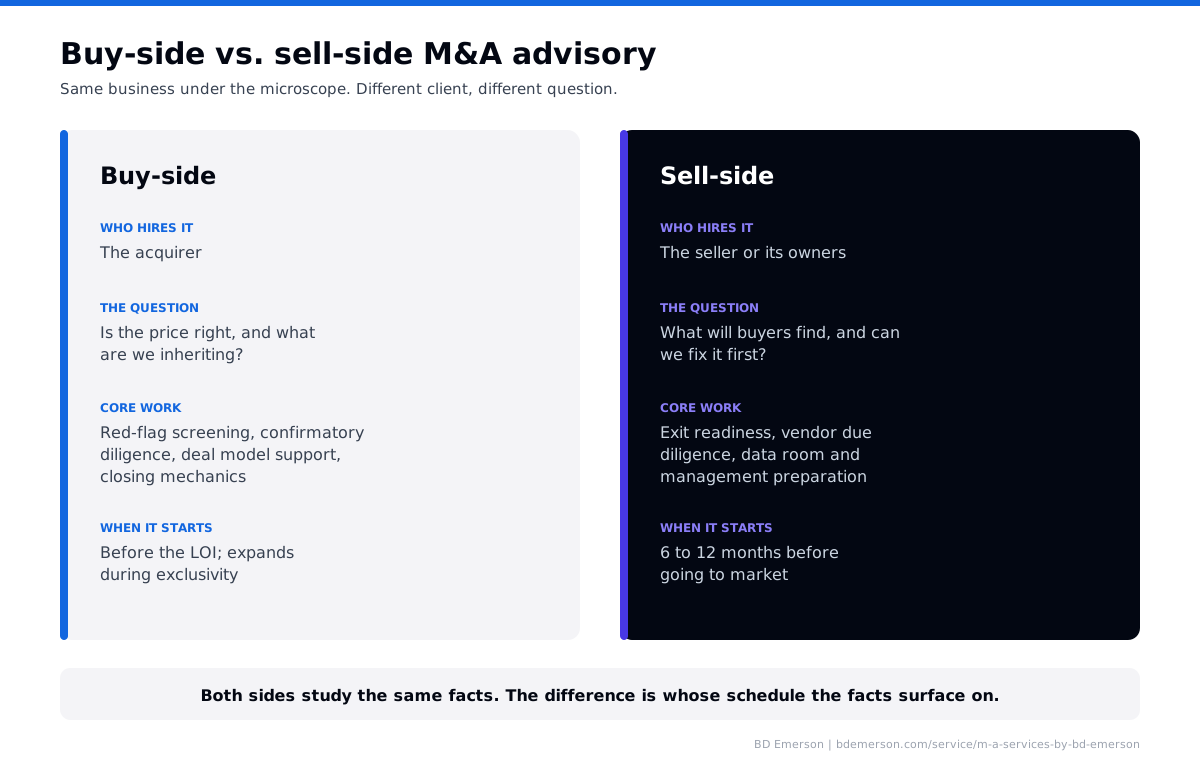
In M&A, the split is simpler. Buy-side advisors work for the acquirer. Sell-side advisors work for the company being sold or its owners. This article covers the M&A meaning.
The same microscope, two different clients
Both sides study the same object: a business changing hands. The work diverges on purpose, timing, and what happens with the findings.
Buy-side work exists to protect the acquirer from overpaying and from inheriting problems. Sell-side work exists to find those same problems first, fix what can be fixed, and control how the rest gets disclosed and priced.
A customer concentration issue illustrates the split. The buy-side team finds that 32% of revenue sits with one account and quantifies the repricing argument. The sell-side team found it four months earlier, helped management extend the contract before going to market, and drafted the disclosure that frames the relationship's 11-year history. Same fact. Different work. Several million dollars of difference in outcome.
What buy-side advisory covers
Buy-side M&A advisory runs from target evaluation through closing support. The core stages:
Screening. Before the letter of intent, a fast pass on the deal-killers: earnings quality, customer concentration, tax exposure, technology risk. The goal is to fail cheap if the deal deserves to fail.
Confirmatory diligence. After the LOI grants exclusivity, the full workstream: quality of earnings, tax, commercial, operational, and technology diligence, run deep enough to support the price and the financing.
Deal support. Findings translate into working capital targets, net debt definitions, indemnities, and escrows. The advisor stays through closing mechanics and post-close true-ups.
Buyers pay for certainty. The work either confirms the thesis or reprices it, and both outcomes beat finding out after the wire clears.
What sell-side advisory covers
Sell-side advisory starts earlier and runs longer. The core stages:
Exit readiness. Six to twelve months before a process: financial, tax, commercial, and operational preparation. Find the issues a buyer would find. Fix the fixable ones. Build the support for the add-backs.
Vendor due diligence. An independent report on the business, commissioned by the seller, that gives every bidder a credible baseline. Buyers still run their own diligence, but they run it faster and with fewer surprises, which keeps the process competitive.
Process support. Data room construction, consistent definitions across every document a buyer will read, and management rehearsed on the questions that will come.
Sellers pay for control. Every issue discovered on the seller's schedule is an issue the seller can fix, frame, or price. Every issue discovered by the buyer is negotiating leverage handed to the other side.
Timing is the real difference
Buy-side work compresses into the deal window: a few weeks of screening, then an intense exclusivity period. Sell-side work spreads out: months of preparation before the business ever goes to market, then support through the process.
The practical consequence runs one direction. Sellers who start when the buyer's team starts have already lost the timing advantage that sell-side work exists to create. If a sale is realistic within two years, the preparation conversation is worth having now.
Can one firm work both sides?
Both sides of the same transaction, no. The conflict is obvious and disqualifying.
Both types of work across different deals, yes, and there's a strong argument for hiring a firm that does. Advisors who run buy-side diligence know exactly where buyer teams look, which makes their sell-side preparation sharper. Advisors who prepare sellers know how good preparation reads, which helps them calibrate skepticism on the buy side. At BD Emerson, the same M&A advisory practice works both types of engagements, never both sides of one deal.
Which one do you need?
Buying a company this year: buy-side advisory, engaged before you sign the letter of intent, so screening can shape the terms rather than react to them.
Selling within one to two years: sell-side advisory, starting with an exit readiness assessment now. The runway is the asset.
Approached by a buyer out of nowhere: sell-side advisory on a compressed clock. Preparation still pays, and an unprepared seller negotiating against a prepared buyer is the worst seat at the table.
Building a company you'll eventually sell, someday, no rush: put the QoE-style discipline into your reporting now. The cheapest exit preparation is a business that was always ready.
Either direction, the conversation costs nothing and the timing mistake costs plenty. Talk to our transaction team before the clock starts.

About the author