The Sell-Side M&A Process: Preparation Through Close
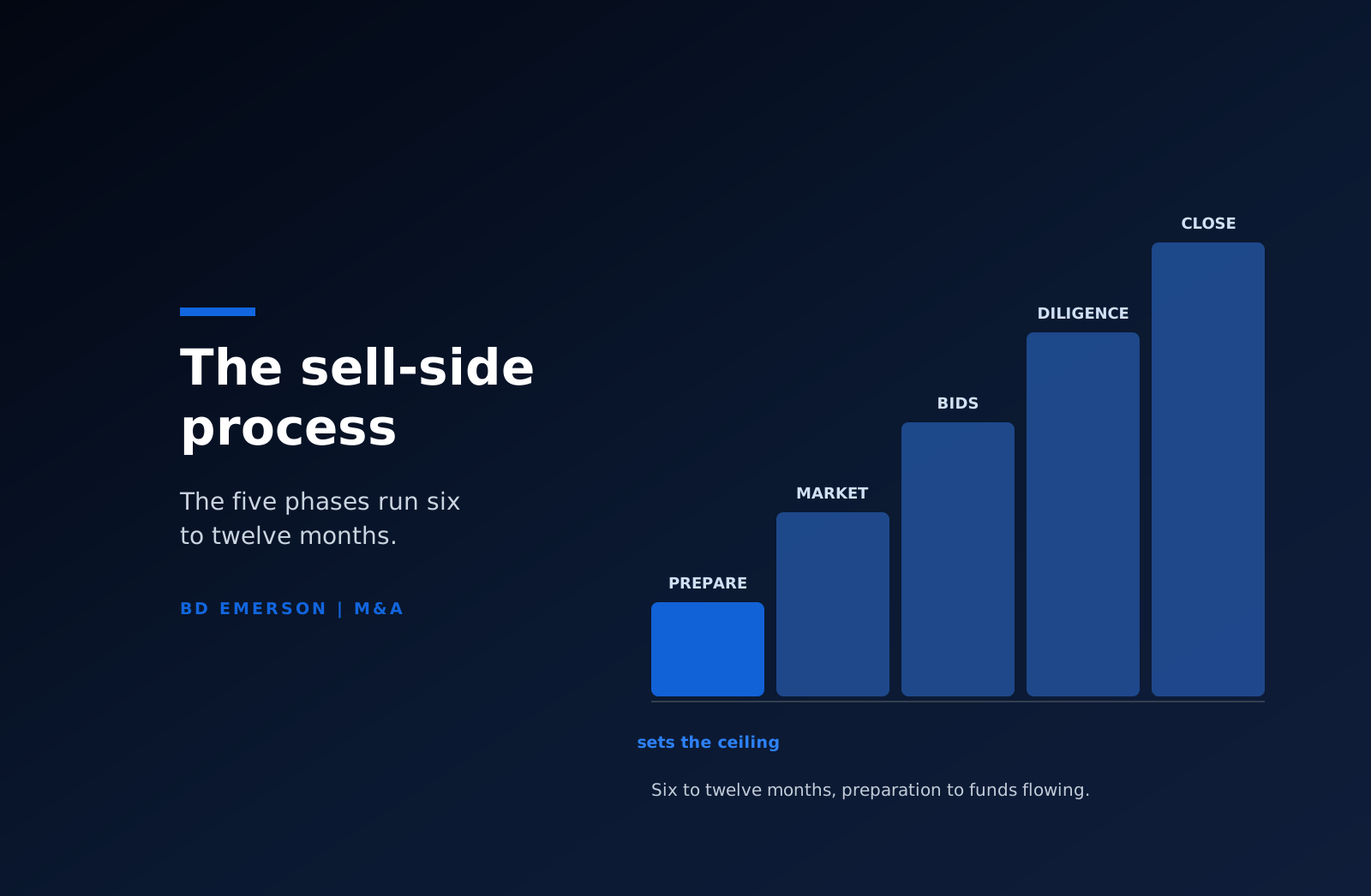
The sell-side M&A process is the sequence a company runs to sell itself: preparation, marketing, bids and meetings, diligence and definitive agreement, then close. A well-run process takes six to twelve months from the decision to sell to funds flowing, and the phases are not equally weighted. Preparation, the phase sellers most often shortcut, sets the ceiling on the outcome, because buyers price what they can verify and discount what they cannot. Everything after preparation is a controlled release of information designed to keep multiple buyers competing until the last responsible moment. This article walks each phase, what it produces, how long it takes, and where value is won or lost.
Phase one: preparation, two to four months
Preparation starts with the decision architecture: what is being sold, to whom, and what does a good outcome look like beyond the headline number. Then the evidence work begins. Financials get cleaned to a standard a buyer's accountants will accept, and most sellers at meaningful scale commission a sell-side quality of earnings review so the EBITDA number in the materials is one that survives. The company examines itself the way buyers will, surfacing the problems while there is still time to fix or frame them, a discipline covered in our guide to sell-side due diligence. The operational side of getting a company ready, from management depth to contract hygiene, is its own workstream, detailed in our article on exit readiness. Preparation ends with the marketing materials drafted: the confidential information memorandum, the management presentation, and the financial model buyers will build their offers on.
Phase two: marketing, four to eight weeks
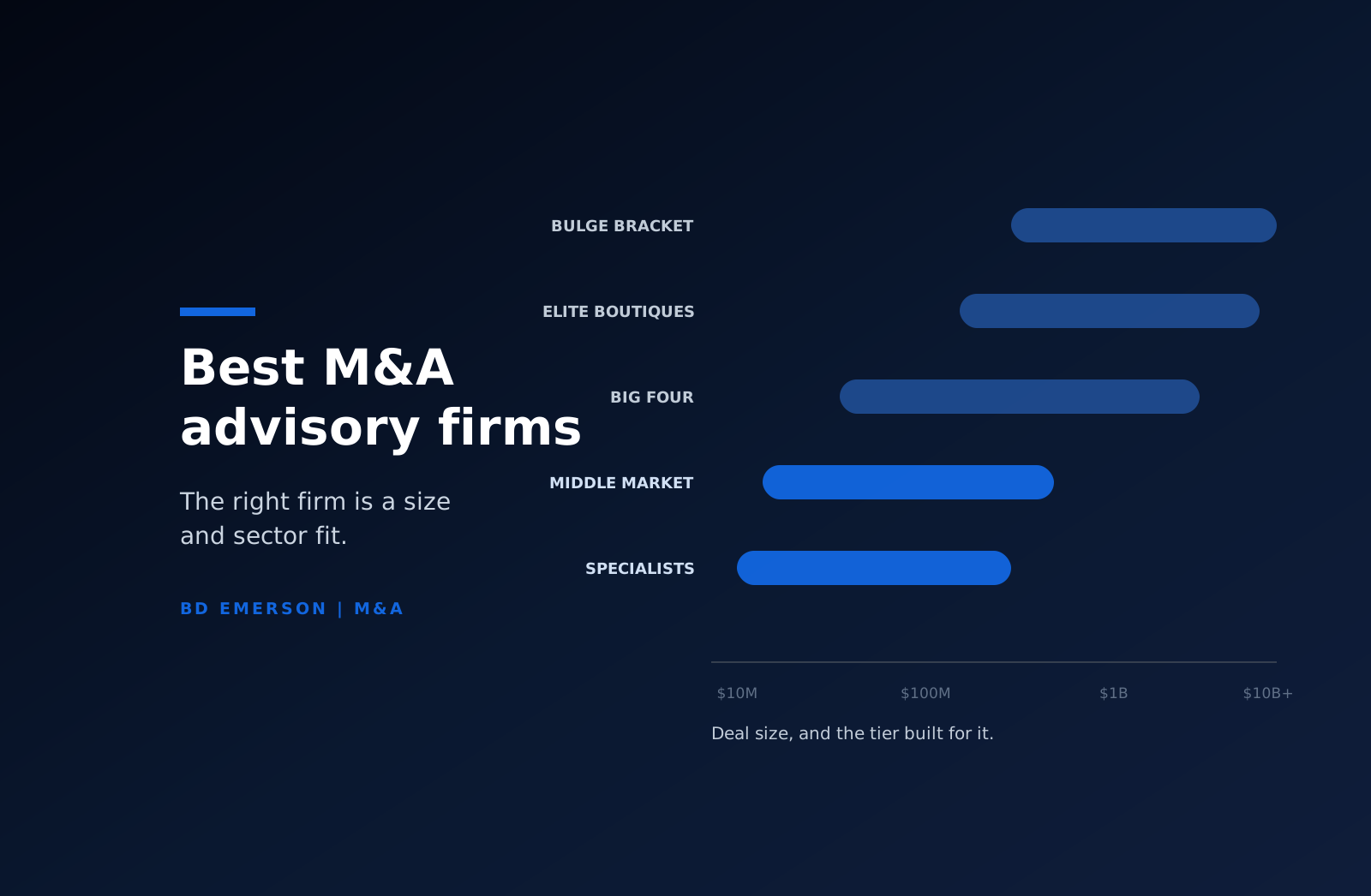
The advisor builds the buyer list, a deliberate mix of strategic acquirers, private equity funds with relevant platforms, and where it fits, the managers of adjacent portfolio companies. The process design decision happens here: a broad auction maximizes competitive tension and leaks more, a targeted process of five to fifteen parties balances tension against confidentiality, and a negotiated deal with one buyer trades negotiating power for speed and secrecy. Outreach runs on anonymized teasers, interested parties sign NDAs, and the CIM goes out with a bid deadline. The discipline that matters in this phase is calendar control: buyers respond to deadlines set by a process that credibly has alternatives, and they slow down the moment they sense they are alone.
Phase three: bids and management meetings, four to eight weeks
First-round indications of interest arrive, non-binding ranges that let the seller cut the field to the serious. The shortlisted buyers get management presentations and a first data room layer, and the interaction runs both ways: buyers evaluate the team, and the team reads which buyers actually understand the business. Second-round bids come with markups and financing detail, and the process converges on one party, occasionally two, for the letter of intent. The LOI sets price, structure, and exclusivity, and it is the moment negotiating power transfers from seller to buyer, because exclusivity ends the competition. What the document covers and where sellers get hurt in it is detailed in our guide to the letter of intent. The distinction between running this as a seller versus experiencing it as a buyer is covered in our comparison of buy-side and sell-side M&A elsewhere on this site.
The seller's team, and who does what
A sale process runs on four seats. The M&A advisor designs and runs the process: buyer list, materials, calendar, and the negotiation itself. Deal counsel owns the NDA, the LOI, and the purchase agreement, and the difference between corporate counsel and experienced deal counsel shows up in the indemnity and escrow terms that decide how much of the price the seller keeps. The accountants own the QoE and the working capital analysis. And inside the company, a deal team of two to four people handles diligence response, deliberately small because confidentiality inside the company is as important as outside it: employees who learn of a process from a data room invitation start updating resumes, and customers who hear rumors start hedging renewals. The CEO's job in all of this is specific: run the business so the numbers hold, because a missed quarter mid-process is the single most expensive event in a sale, and perform well in the management meetings, which are the only part of the process buyers cannot get from the documents.
Phase four: diligence and definitive agreement, six to twelve weeks
Under exclusivity, the buyer verifies everything: financial, tax, legal, commercial, technology, and security workstreams running in parallel against the full data room. The seller's job is velocity and no surprises. Every day of delay is a day of deal risk, and every finding the buyer makes that the seller did not disclose becomes a repricing conversation conducted without competing bidders in the room. This is where the preparation phase pays out: sellers who found their own issues months earlier answer requests in hours and keep the price they signed. In parallel, lawyers negotiate the purchase agreement, where the economics live in the details: working capital pegs, indemnities, escrows, and earnout terms if the price bridges a valuation gap.
Phase five: close and transition, two to six weeks
Signing and closing may be simultaneous or separated by regulatory approvals, financing, and third-party consents. Funds flow at close, subject to the closing adjustments: the working capital true-up against the negotiated peg, the final net debt calculation, and any escrow funding, which together routinely move the seller's proceeds by low single-digit percentages after the headline is fixed. The transaction then hands off to integration, where the buyer's plan meets the company. Sellers with continuing exposure through earnouts, rollover equity, or employment should negotiate the operating conditions of that exposure in the definitive agreement, because post-close, the ability to influence how the business is run belongs to the buyer.
Timing the market versus timing the company
Sellers ask when the market will be best, and the honest answer is that company timing dominates market timing. The market factors, rate environment, buyer balance sheets, sector multiples, move outcomes by turns of a multiple. Company factors move outcomes by more: selling on a rising revenue line with next year's growth visible in pipeline beats selling the same company eighteen months later at a plateau, in any market. The practical rule is to start preparation when the company still has two strong years ahead of it, so the process markets momentum rather than history. Waiting for the peak means selling on the far side of it, and every advisor has a version of the client who declined an offer at the top of their growth curve to sell for less two years later.
When the price is a bridge: earnouts and rollover
When buyer and seller cannot agree on value, structure carries the difference. An earnout pays part of the price contingent on future performance, and it is the most disputed instrument in M&A, because after close the buyer controls the operations that determine whether targets are hit. Sellers who accept earnouts should negotiate the measurement basis, the operating covenants, and audit rights as carefully as the amount. Equity rollover, keeping 10 to 30 percent of ownership in the buyer's structure, aligns better and is standard in private equity deals, with its own diligence burden in reverse: the seller is now an investor in the buyer's plan and should examine it like one. Both structures are useful and neither is free money, so model the realistic cases, not the earnout's headline maximum.
Where value is actually won
Across the phases, three levers move outcomes more than negotiation skill. Preparation quality, because verified numbers hold and unverified numbers get discounted. Competitive tension held as late as possible, because a buyer bidding against silence bids against their own last number. And speed through diligence, because time kills deals through fatigue, market shifts, and the compounding cost of small surprises. All three are decided by work done before the first buyer conversation. BD Emerson advises sellers through the full process via our sell-side M&A advisory practice, with the technology, security, and financial diligence preparation handled by the same teams who run that work for buyers.

About the author