The Buy-Side M&A Process: From Thesis to Close
The buy-side M&A process is the sequence an acquirer runs to buy a company: thesis, sourcing, screening, valuation and offer, diligence, financing, definitive agreement, and close, with integration planning running alongside the last three. A disciplined buy-side process takes four to nine months from serious search to close, and the discipline is the point. Acquirers who buy well are running a repeatable system where each stage can kill the deal cheaply, and acquirers who buy badly are usually running a justification process for a deal someone already wants. The difference shows up years later in whether the acquisition returned its price. This article walks each stage and the decision that belongs to it.
Start with a thesis, then a screen
Before any target, write the acquisition thesis: what the deal must add, capability, market access, consolidation economics, or talent, and what it must return. The thesis produces screening criteria with numbers attached: size range, growth floor, margin profile, geography, customer profile, and the deal-breakers that end conversations early. Sourcing then runs three channels in parallel: banked processes where you are one bidder among several, proprietary outreach to companies not for sale, and intermediary networks. Proprietary deals cost more effort and less premium. The strategy work that produces a thesis worth screening against, and the failure modes of skipping it, are covered in our guide to M&A strategy.
Valuation, IOI, and the LOI
First valuation happens on the target's materials: a model built from the CIM and early data, triangulated across comparable transactions, trading multiples where they exist, and the buyer's own return math on the thesis. That model supports an indication of interest, a non-binding range that earns access to management and deeper data. After management meetings and a second data layer, the buyer submits the letter of intent: price, structure, key terms, and exclusivity. The LOI is the point of maximum negotiating power for the buyer, because the seller trades away competition when they sign it, and terms conceded there are hard to recover later. What belongs in the document and what should stay out of it is covered in our guide to the letter of intent elsewhere on this site.
Diligence: verify the thesis, not just the target
Buy-side due diligence runs parallel workstreams under exclusivity, typically six to twelve weeks: financial and quality of earnings, tax, legal, commercial, operational, technology, and security. Two disciplines separate strong diligence programs from expensive ones. First, diligence tests the thesis, not just the target: the question is never only whether the numbers are real, but whether the specific value the buyer is paying for, the cross-sell, the retention, the technology, actually exists in the form the price assumes. Second, findings feed the model in real time, so price, structure, and indemnities move with the evidence rather than being defended against it. The financial workstream anchors on the checklist covered in our financial due diligence checklist, and for technology-heavy targets the technology, security, and data workstreams are where the surprises that reprice deals most often live.
The valuation methods buyers actually use
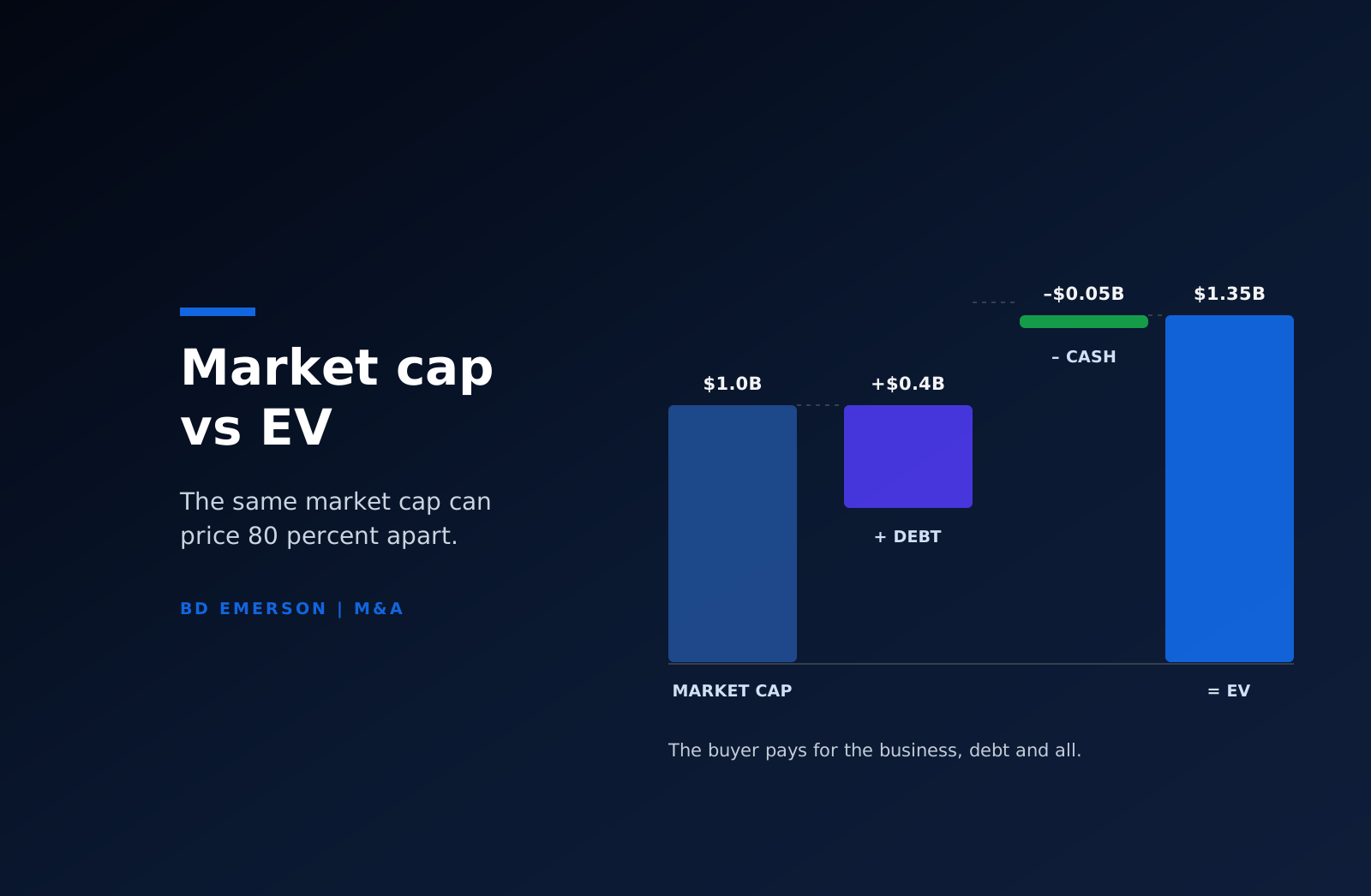
Three methods triangulate a buy-side valuation, and each earns a different weight. Comparable transactions, what similar companies actually sold for, anchor the market reality, with the usual caveat that reported multiples hide structure: an earnout-heavy deal and a clean cash deal at the same headline are different prices. A discounted cash flow prices the target's plan directly and is only as good as the plan, which is why buyers run it on their own adjusted case rather than management's. And the buyer's return math, the model that asks what this specific buyer can earn from this specific asset, is the one that should set the walk-away number, because it is the only method that prices the deal for you rather than for the market. When the three disagree, the disagreement is information: comps far above your return math means the market is pricing synergies you do not have, and the disciplined response is to lose those auctions.
The buyer's team
A buy-side deal needs an internal owner with authority, typically corporate development or the CFO, an advisor if sourcing reach or process experience is thin in-house, deal counsel, and the diligence specialists matched to where the thesis risk lives: QoE accountants always, technology and security diligence whenever the asset is software or data, and commercial diligence when the growth story carries the price. The coordination discipline that matters is a single findings channel, because parallel workstreams that report separately produce a closing weekend of surprises, while workstreams that feed one deal model produce a price that moved with the evidence.
Financing and structure
In parallel with diligence, the buyer finalizes how the deal is paid: cash, debt, stock, or a mix, with earnouts and seller rollover bridging valuation gaps. Structure allocates risk as much as it sets price. An earnout shifts performance risk to the seller, a working capital peg protects the buyer's assumption of a normally capitalized business, and indemnities with escrows backstop the representations. Debt financing adds its own diligence layer, because lenders run their own examination and their findings can retrade the buyer the way the buyer retrades the seller.
Definitive agreement and close
The purchase agreement converts the LOI and the diligence findings into binding terms. The economics hide in the mechanics: the working capital peg and its measurement, indemnity caps and survival periods, the escrow, closing conditions, and any regulatory approvals. Between signing and closing the buyer manages conditions to close, including any antitrust filings and third-party consents, whose timelines are set by regulators and counterparties rather than by the deal calendar, and, in a competitive labor market, the retention of the people the thesis depends on, because key employees deciding to leave between sign and close is a value leak no purchase agreement clause recovers.
Proprietary sourcing: the outreach that works
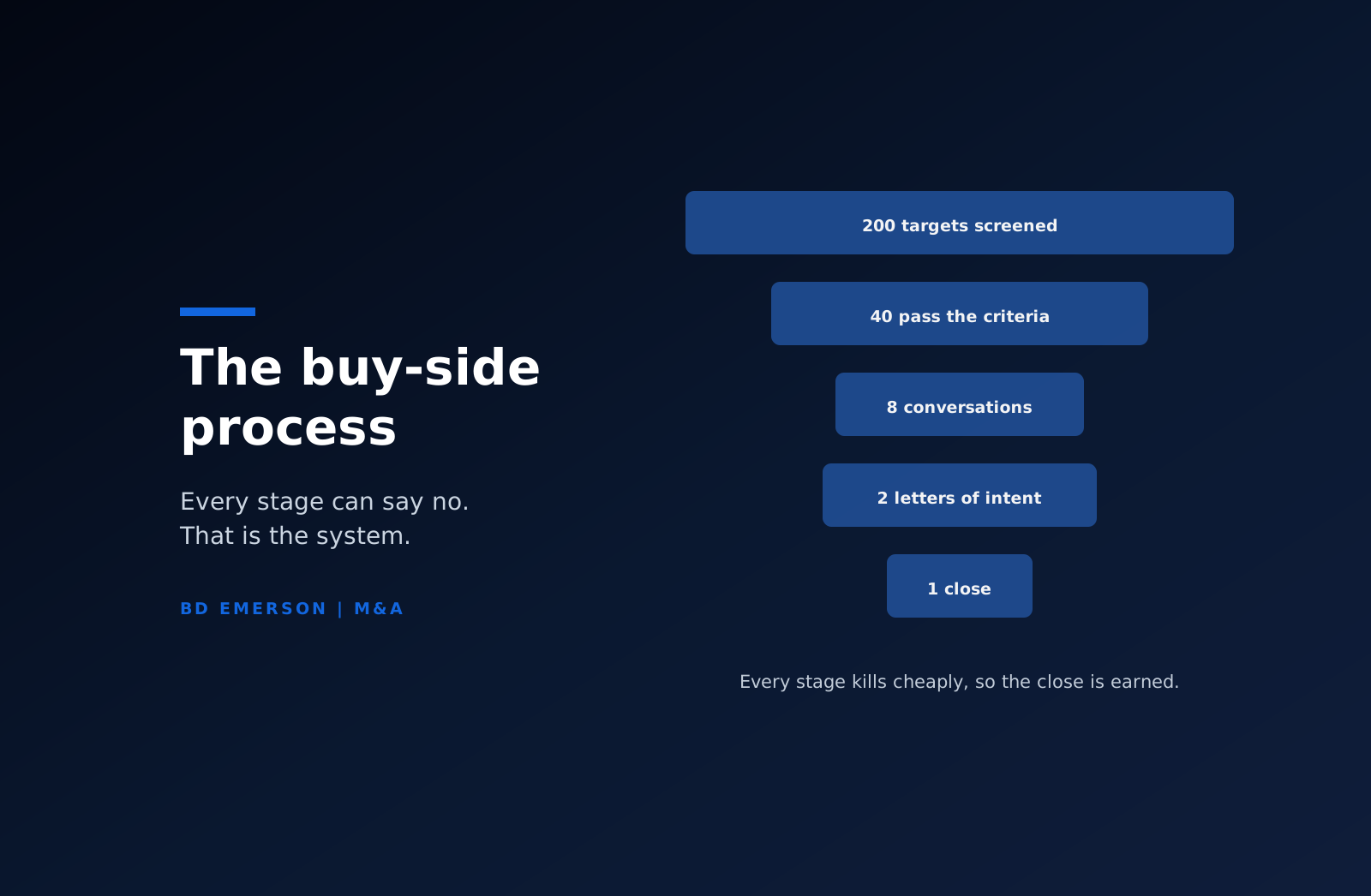
The deals with the best entry prices rarely come from auctions, and proprietary sourcing is a discipline rather than luck. It starts from the screen: a mapped universe of companies that fit, ranked, with the ones worth years of patience identified. Outreach that works is specific and unhurried, a principal reaching a founder with evidence of having done the homework, an articulated reason this combination makes sense, and no pressure toward a process. Most conversations go nowhere for years, which is the point: when the founder's timing arrives, a retirement, a partner dispute, a capital need, the acquirer who invested in the relationship is the first call, and often the only one. The economics justify the patience. A negotiated deal avoids the auction premium, allows real diligence instead of a data room sprint, and starts integration with a counterparty who chose you. The failure mode is treating proprietary outreach as a campaign, high-volume templated contact that reads as a broker blast and burns the map. Fifty real relationships outperform five hundred contacts, and the pipeline metric that matters is second conversations, never first ones.
Integration planning starts before close, or the thesis leaks
The most reliable finding in acquisition research is that integration quality decides whether the deal returns its price, and integration quality is set by planning that starts during diligence, not after close. The first hundred days need owners, systems decisions, customer communication, and retention plans agreed before day one, and the integration leader should have been inside the diligence so the plan reflects what was actually found. The program for that window is laid out in our guide to the post-merger integration 100-day plan.
Running it with an advisor
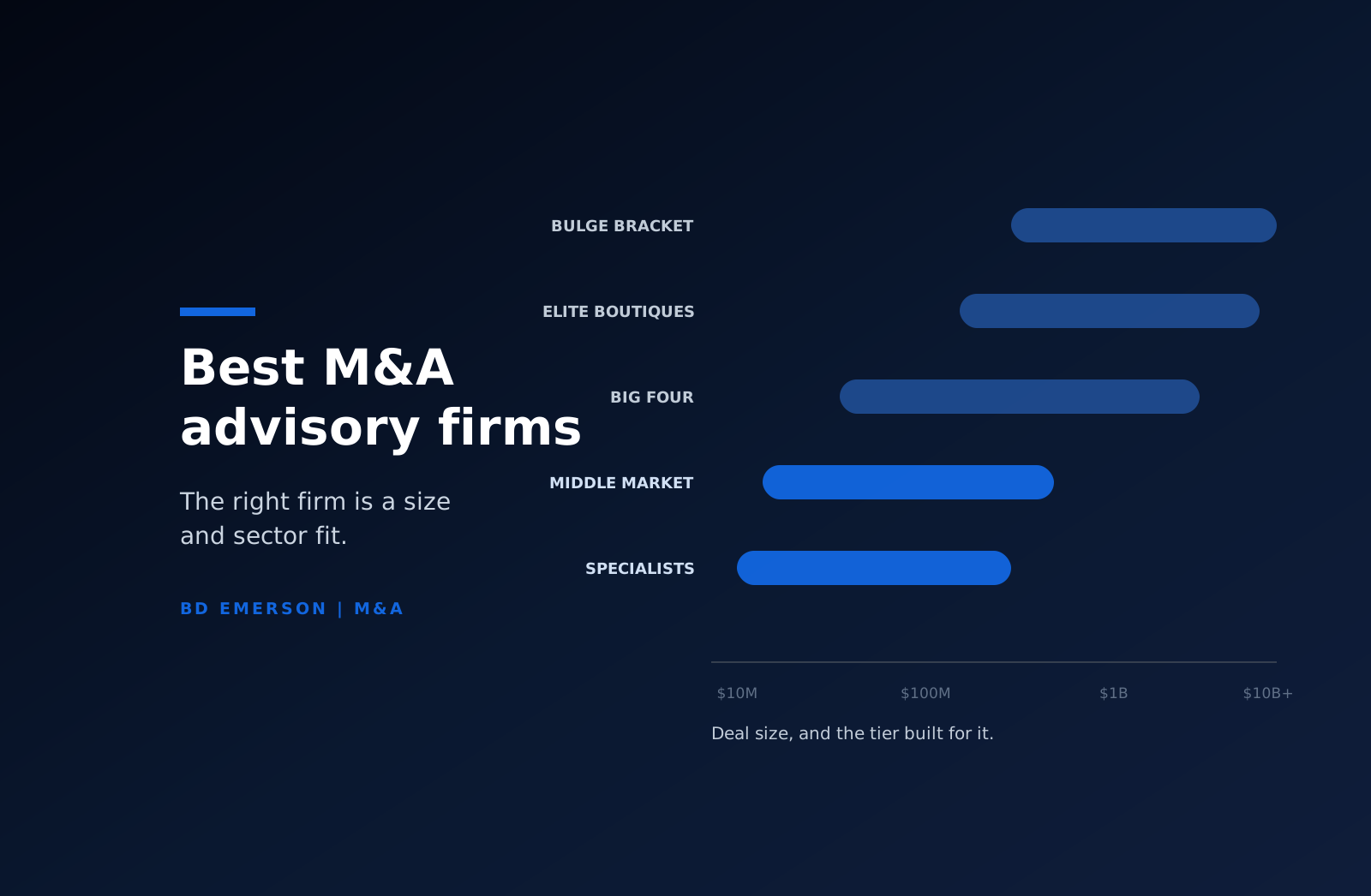
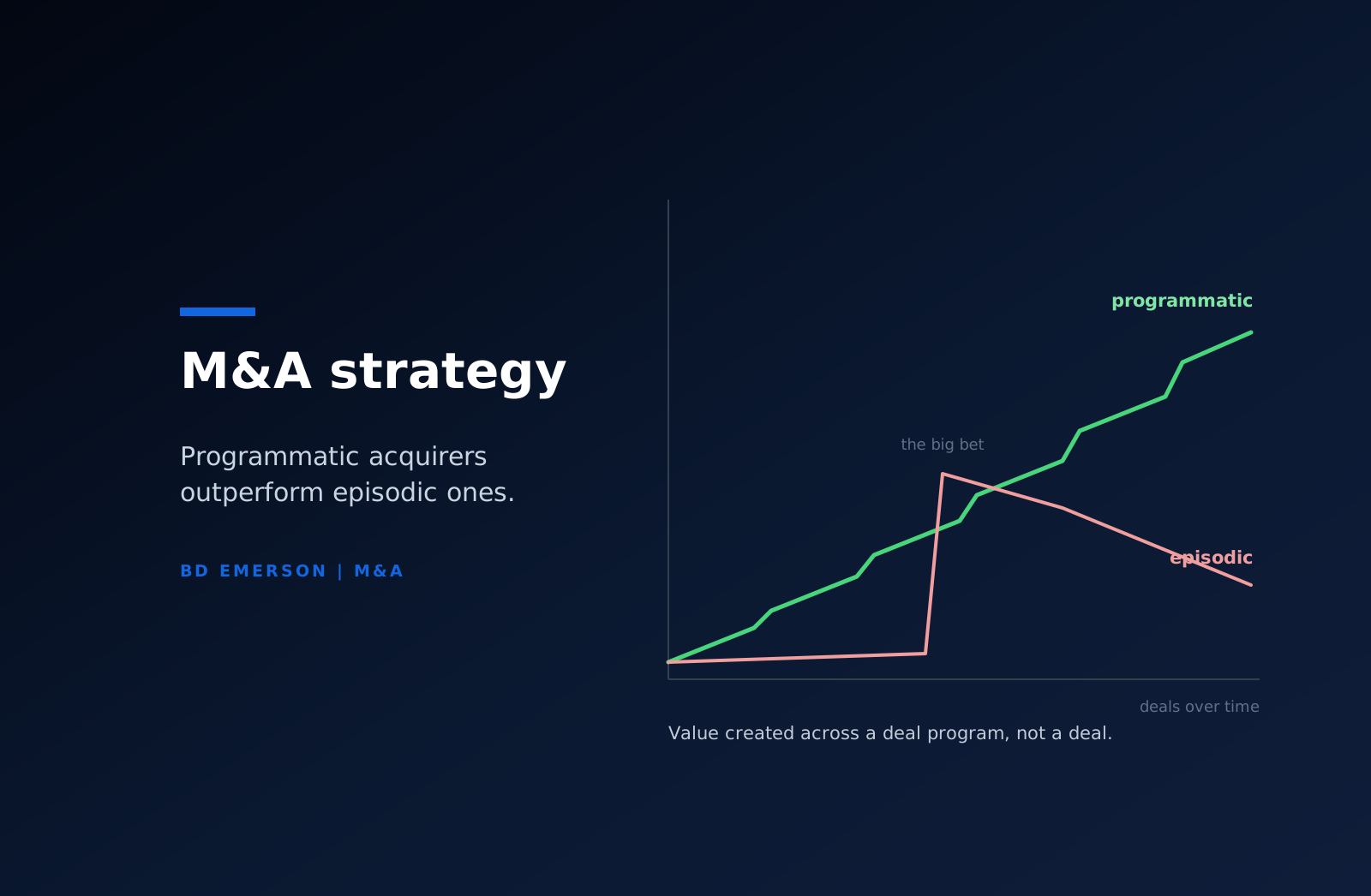
Serial acquirers carry this system in-house. For everyone else, the buy side is an episodic process run against counterparties who do it constantly, which is the argument for borrowing the system: sourcing reach, valuation discipline, diligence coordination, and negotiation pattern recognition. BD Emerson advises acquirers through our buy-side M&A advisory practice, with the technology, security, and financial diligence run by in-house teams rather than subcontractors, so the findings arrive priced and the model moves with the evidence.

About the author